Talking to Your GP About PrEP: A Practical Guide to the Conversation
Talking to Your GP About PrEP: A Practical Guide to the Conversation
Blog / Talking to Your GP About PrEP: A Practical Guide to the Conversation
Talking to Your GP About PrEP: A Practical Guide to the Conversation
I hope you found this information helpful. If you’d like, you can easily book your sexual health clinic appointment today. Click here.
Author: Dr. Liam Regan | Founder of Nassau Clinic in Dublin
Published April 22, 2026
Key Takeaways
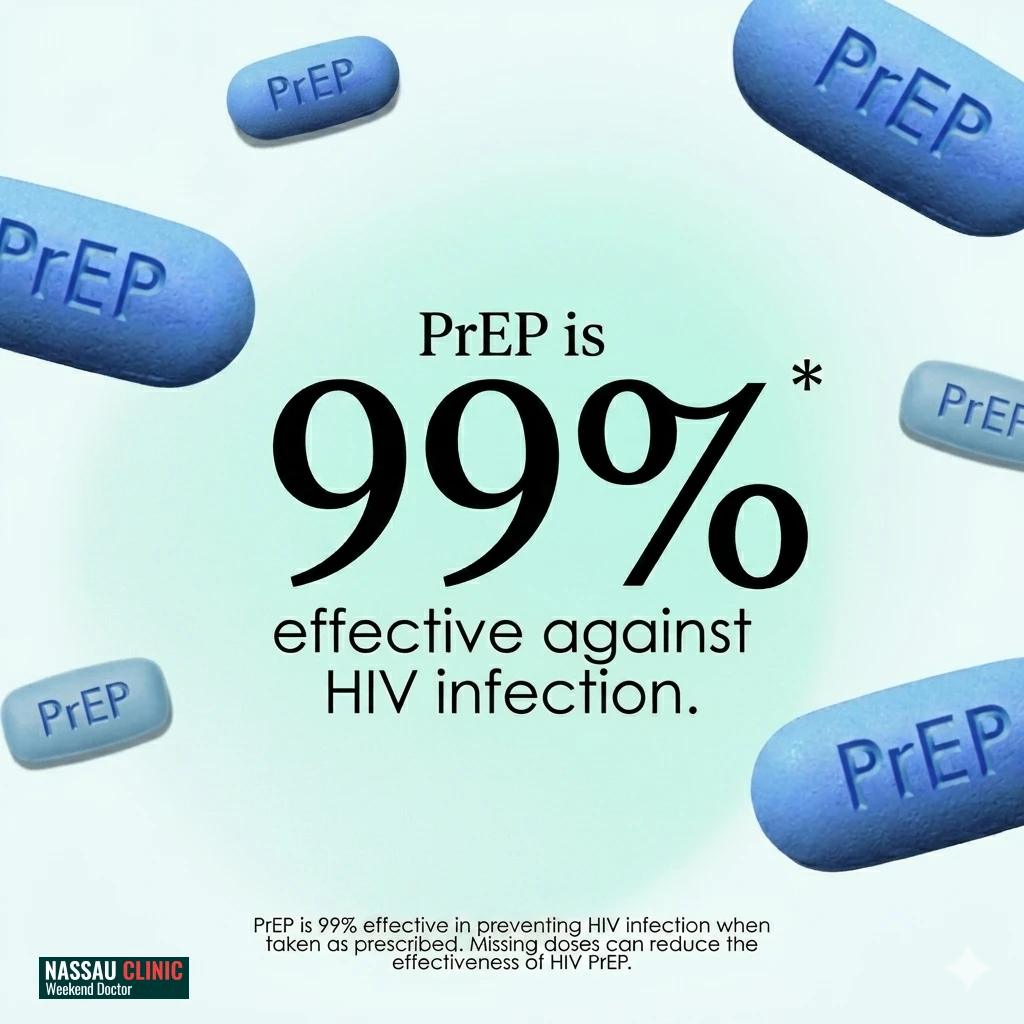
- PrEP is a highly effective HIV prevention method, reducing risk by up to 99% when taken correctly
- You can bring it up simply with your GP, no long explanation needed
- Being honest about your sexual history helps you get the most appropriate care
- PrEP is free in Ireland through the HSE for those who meet eligibility criteria
- Regular follow up every three months is required for testing and prescription renewal
- Mild side effects can occur at the start but usually settle within a few weeks
- If your GP is not familiar with PrEP, you can visit a specialist sexual health clinic
Why Discussing PrEP with Your Doctor is a Power Move
Taking charge of your sexual health means having honest conversations, even the ones that feel a little uncomfortable at first. Asking your GP about PrEP is one of the most proactive things you can do for your long-term wellbeing. It puts you in the driver's seat, and it signals to your healthcare provider that you are someone who takes prevention seriously.
PrEP (pre-exposure prophylaxis) is a daily medication that reduces the risk of HIV transmission by up to 99% when taken consistently. It is available in Ireland through the HSE, and GPs are increasingly the first point of contact for people exploring their options. Knowing how to have that conversation clearly and confidently makes the whole process smoother and faster.
TL;DR:
Talking to your GP about PrEP does not have to be awkward. Just ask directly. PrEP can reduce HIV risk by up to 99% and is free in Ireland for eligible people. Be ready to discuss your sexual health honestly, complete baseline tests, and choose between daily or on demand dosing. Regular check ups every three months are part of staying on PrEP. If your GP is not comfortable prescribing it, you can go to a sexual health clinic instead.
Moving Past the "Awkward" Factor
Many people put off the conversation because they are unsure how to raise it or worry about being judged. GPs in Ireland are trained to discuss sexual health without judgement, and most will welcome that you have already looked into your options.
A simple opener is all you need: "I would like to discuss PrEP as a prevention option." You do not need to over-explain or justify yourself. If your GP is not familiar with PrEP prescribing, or if you would prefer a specialist setting, Nassau Clinic offers dedicated sexual health consultations with clinicians who work with PrEP every day.
The Clinical Benefit: PrEP and Your Long-term Health
Consistent PrEP use provides sustained, reliable protection for people at ongoing risk of HIV. The evidence base is strong, backed by years of research and widespread use across Europe.
There is an added practical benefit too. People on PrEP attend regular sexual health check-ups, typically every three months, which means other STIs are caught and treated early. In many respects, being on PrEP means being better connected to sexual healthcare overall.
Preparation: What to Do Before Your Appointment
A little groundwork before your appointment makes the conversation more productive and means you are less likely to leave with unanswered questions.
Self-Assessing Your Eligibility
PrEP is recommended for people at higher risk of HIV exposure, and the HSE PrEP programme has specific clinical criteria your GP will work through with you. It helps to arrive with a sense of your own situation.
You are likely a good candidate if you have had condomless sex with partners of unknown or positive HIV status, had an STI in the past 12 months, used PEP more than once, or are in a relationship with an HIV-positive partner whose viral load is not confirmed as undetectable. Eligibility is always confirmed by a clinician, but being able to articulate your circumstances clearly speeds things up.
Knowing the Cost
In Ireland, the HSE PrEP programme covers the cost of medication for eligible patients. Your GP or sexual health clinic can assist with registration. At Nassau Clinic, we offer same-day HSE registration as part of the initial consultation, so there is no separate admin step before you can start.
If you have private health insurance, it is worth checking with your provider in advance. Our consultation fee is €150, which covers a full clinical assessment and, where appropriate, a PrEP prescription.
Gathering Your Recent Sexual Health History
Your GP will ask about your sexual health history to assess suitability for PrEP and to arrange baseline tests. It helps to have a rough sense of when you last had an STI screen, any recent infections and how they were treated, your HIV test history, and any current medications. You do not need printed records, just an honest account. Everything discussed in your consultation is confidential.
How to Ask for PrEP: Practical Conversation Starters
Knowing what you want to say before you walk in takes a lot of the pressure off. You do not need a rehearsed speech, but having a few phrases in mind helps if the conversation feels awkward.
The Direct Approach: "I'd Like to Start PrEP"
The simplest approach is usually the most effective. Opening with "I would like to discuss starting PrEP" tells your GP exactly what you are there for and moves the appointment forward without preamble. From there, your doctor will typically ask a few questions about your sexual health history and risk factors before discussing next steps.
If you want to add a little context, something like "I have done some research and I think PrEP is appropriate for my situation" signals that you are informed and have thought it through. GPs generally respond well to patients who have already engaged with the topic.
Navigating Personal Questions About Your Lifestyle
Your GP may ask questions that feel quite personal, about your number of partners, the types of sex you are having, or your drug and alcohol use. These questions are clinical, not moral. The answers help your doctor assess your risk level and prescribe appropriately.
Answering honestly, even if it feels uncomfortable, leads to better care. If a question catches you off guard, it is fine to take a moment. You can also ask your GP to explain why a particular question is relevant if that helps you feel more at ease.
What if I Don't Want to Disclose Everything?
You are never obliged to share more than you are comfortable with. That said, the more context your GP has, the more tailored and effective their advice will be. If there are things you would rather not discuss with your regular GP, attending a dedicated sexual health clinic is a practical alternative.
At Nassau Clinic, our clinicians work exclusively in sexual health. Patients often find it easier to speak openly in that environment, without the history or familiarity that can sometimes make conversations with your regular GP feel awkward.
Stay Protected. Stay Confident.
Start PrEP with a confidential consultation in Dublin.
START PrEP TODAY
What to Expect During the PrEP Consultation
Knowing what happens during a PrEP consultation removes a lot of the uncertainty. It is a straightforward clinical appointment, and most people leave feeling reassured rather than overwhelmed.
Required Lab Tests: HIV, Kidneys, and STI Screening
Before starting PrEP, your GP will arrange a set of baseline tests. These are a standard part of the process and not a reflection of any assumed risk on your part.
You will need a confirmed negative HIV test, as PrEP should never be started if HIV is already present. Kidney function tests are also required, as the active ingredient in PrEP is processed by the kidneys and long-term monitoring is important. Your clinician will also screen for common STIs including syphilis, gonorrhoea, chlamydia, and hepatitis B. These same tests are repeated every three months while you are on PrEP, which is part of what makes ongoing care so clinically valuable.
Discussing Dosage Options: Daily vs. On-Demand (2-1-1)
There are two clinically approved ways to take PrEP. Daily dosing involves taking one tablet every day, regardless of sexual activity, and is suitable for most people. On-demand dosing, sometimes called the 2-1-1 method, involves taking two tablets two to 24 hours before sex, one tablet 24 hours after, and a final tablet 48 hours after. This approach is only recommended for cisgender men who have sex with men and requires careful timing to be effective.
Your clinician will discuss which option suits your lifestyle and patterns of sexual activity. Neither is considered superior, the right choice depends on the individual.
Managing Potential Side Effects and the "Start-Up Syndrome"
PrEP is well tolerated by most people, but some experience mild side effects in the first two to four weeks of use. This is sometimes referred to as start-up syndrome and can include nausea, headaches, and fatigue. For the majority of people, these symptoms settle on their own without any need to stop medication.
Serious side effects are uncommon. The main clinical consideration over time is kidney function, which is why regular monitoring is built into the follow-up schedule. If anything feels off after starting PrEP, your prescribing clinician is the right person to contact rather than stopping the medication without advice.
Essential Questions to Ask Your Doctor About PrEP
A good consultation works both ways. Coming in with a few questions of your own helps you leave with a complete picture and the confidence to start PrEP on the right footing.
Understanding the Follow-Up Schedule
PrEP is not a one-off prescription. It requires regular follow-up to monitor your health and renew your supply. The standard schedule involves a check-up every three months, which includes repeat HIV and STI testing, a kidney function review, and a general check-in on how the medication is suiting you.
It is worth asking your GP upfront how they plan to manage this follow-up, and whether they are set up to do so routinely. At Nassau Clinic, we see PrEP patients every three months as a matter of course, with weekend appointments available on Saturdays and Sundays to fit around work and other commitments.
Drug Interactions and Long-Term Safety
PrEP has a well-established safety profile, but it is important to tell your clinician about any other medications you are taking, including supplements and any recreational drug use. Certain medications can interact with PrEP or affect how it is processed by the body.
Non-steroidal anti-inflammatory drugs such as ibuprofen, taken regularly, can place additional strain on the kidneys alongside PrEP. Your clinician will review your full medication list as part of the consultation process.
What Happens If I Miss a Dose?
Missing an occasional dose on daily PrEP does not immediately eliminate your protection, but consistency is important for the medication to work as intended. If you miss a dose, take it as soon as you remember, unless it is nearly time for your next one, in which case skip it and continue as normal. Do not double up.
If you find yourself missing doses regularly, it is worth raising this with your clinician. There may be a practical reason, and switching to on-demand dosing could be a better fit for your lifestyle.
Troubleshooting Common Hurdles with Your GP
Most GP appointments about PrEP go smoothly, but it is worth knowing what to do if you hit a wall.
What to Do if Your Doctor Isn't Familiar with PrEP
PrEP awareness among GPs in Ireland has improved considerably, but not every GP will be comfortable prescribing it. If your doctor seems unfamiliar with the medication, you have a few options. You can ask for a referral to a sexual health clinic, seek a second opinion from another GP, or attend a dedicated PrEP clinic directly.
You may access PrEP as part of the HSE programme, and specialist sexual health clinics exist precisely for situations like this, and their clinicians prescribe PrEP routinely.
Navigating Privacy Concerns and Confidentiality
Everything discussed with your GP is covered by medical confidentiality. Your sexual health history, your PrEP prescription, and your test results are not shared with anyone outside your care team without your consent. This includes family members, employers, and insurers.
If you have concerns about your records, particularly if you share a family GP or a household address, it is worth raising this directly with your clinic. You can request that sensitive correspondence be handled in a specific way, and most practices will accommodate this without difficulty.
Conclusion: Taking Charge of Your Sexual Wellness
Talking to your GP about PrEP is a practical, informed step, and one that more people in Ireland are taking every year. The conversation does not need to be complicated. With a little preparation, a clear sense of your own situation, and the right clinical support, getting started with PrEP is straightforward.
If you would prefer to have that conversation in a dedicated sexual health setting, Nassau Clinic is here to help. We offer PrEP consultations in Dublin at €150, same-day HSE registration, and ongoing three-month follow-up appointments at weekends to fit around your life. Getting protected should not be difficult, and with the right support, it does not have to be.

Blogs are written by Dr. Liam Regan, a registered specialist with the Medical Council in Ireland (Registration No: 402969) and member of the Irish College of General Practitioners (ICGP No: 225965). Dr. Regan graduated from Barts and the London School of Medicine and has trained across Ireland and the UK. He has a special interest in Sexual Health and Nutrition.
Looking for Weekend GP in Dublin?
I'm Dr. Liam Regan, and I’m here to help you feel confident, informed, and in control. So, are you ready to book your appointment?
Table of Contents
- Key Takeaways
- Why Discussing PrEP with Your Doctor is a Power Move
- Preparation: What to Do Before Your Appointment
- How to Ask for PrEP: Practical Conversation Starters
- What to Expect During the PrEP Consultation
- Essential Questions to Ask Your Doctor About PrEP
- Troubleshooting Common Hurdles with Your GP
- Conclusion: Taking Charge of Your Sexual Wellness